
Attic insulation, explained before you call anyone
What blown-in attic insulation costs, R-value by climate zone, how it compares to batt and spray foam, and how to choose a licensed local company.
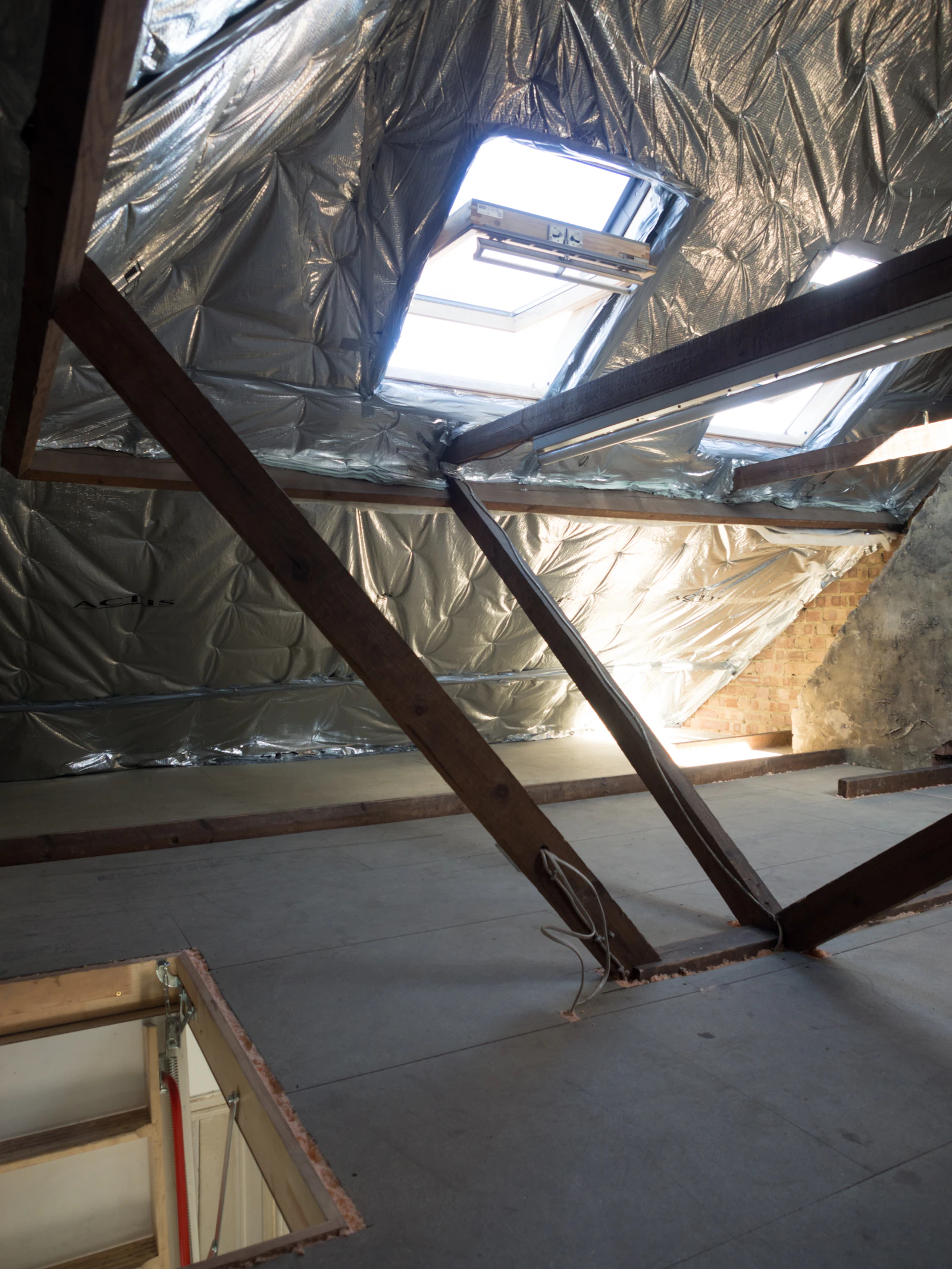
Already know what your attic needs?
If you already have a target R-value and just want quotes, skip straight to the form - no need to read every guide first.
What is Attic Insulation Help?
Attic Insulation Help is a reference and referral site for attic insulation across the United States.
- Not an installerWe do not insulate, seal or remove anything ourselves.
- Sourced or absentEvery figure traces to HomeAdvisor, the DOE, ENERGY STAR, the EPA or the FTC - named and dated.
- Nationwide, all 50 statesThe physics of heat loss is the same everywhere; the R-value target changes by climate zone.
When we match you with a local company, that company pays us a referral fee. You pay us nothing, and the fee does not change the quote you are given.
Where does an attic actually lose the most heat?
Six areas decide most of a home's insulation performance, and each one needs a different fix - what covers an open attic floor is not what a recessed light or a rim joist needs.
- Attic floorThe most common job, and the most DIY-friendly - open, accessible, and where most homes gain the most
- Exterior wallsClosed cavities usually need pneumatic blowing or spray foam, not a DIY top-up
- Rooflines & raftersWhere spray foam earns its higher cost - it air-seals and insulates in one step
- Rim joistsA common, often-skipped air leak point at the top of the foundation
- Crawl spacesLow clearance changes the material and the labor, not just the R-value target
- Recessed lightingNon-IC fixtures need a 3-inch clearance or a barrier before insulation goes anywhere near them
How is blown-in insulation actually installed?
The Department of Energy is explicit that skipping the first step is the most common way a new insulation job still underperforms.
Seal and prep
2- Air sealThe EPA recommends sealing attic-floor penetrations before insulating, since loose-fill does not stop air moving through gaps around wiring, pipes and fixtures.
- Baffles and depth markersRafter baffles keep material off the eaves, and depth rulers mark the target R-value before the blower starts.
Blow and verify
2- Blow to depthA pneumatic machine feeds loose fiberglass or cellulose over the joists, covering their tops so heat cannot bypass the insulation.
- Verify and clean upThe settled depth gets checked against the target R-value for your climate zone, then tools and debris are cleared.
Cellulose settles about 13% after installation - ask whether the depth quoted is the installed depth or the settled depth.
What does attic insulation cost?
Most homeowners pay about $1,700 to $2,500 to insulate an attic - roughly $1 to $3 per square foot installed, with a national average near $2,100 (HomeAdvisor, 2026). Blown-in fiberglass sits at the low end; spray foam runs highest, at roughly $2 to $5 per square foot.
Removing old insulation first, if it is wet, moldy or compacted, adds about $1 to $2 per square foot on top of that. Your own number depends mostly on attic size, the R-value you are targeting, and how easy the space is to reach - our cost guide breaks it down by material and by job.
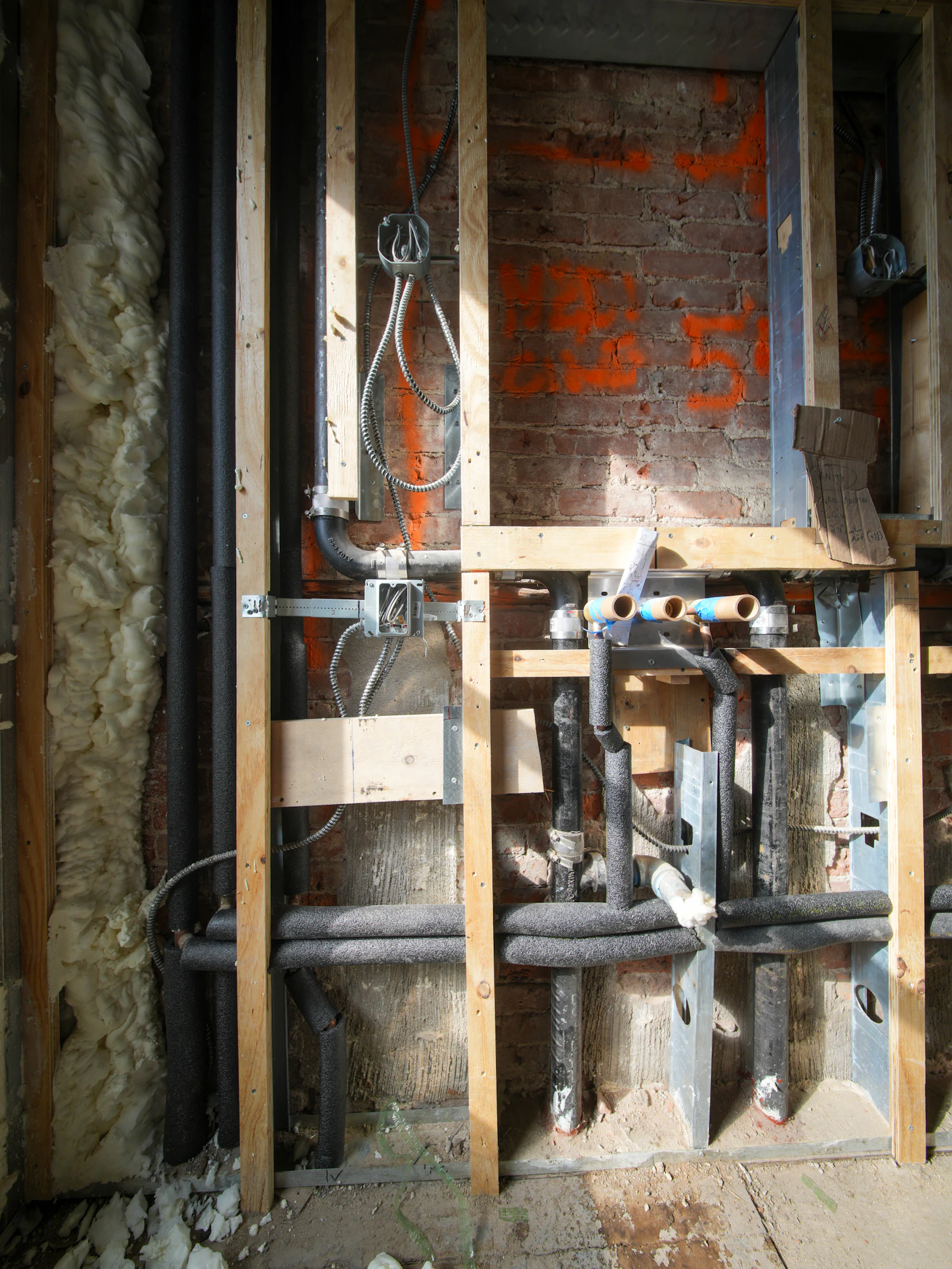
How blown-in insulation is actually installed
Four steps, done in order. The Department of Energy is explicit that skipping the air-sealing step is the most common way a new insulation job still leaves an attic underperforming.
- 1
Air seal first
The EPA recommends sealing attic-floor penetrations before insulating, because loose-fill does not stop air moving through gaps around wiring, pipes and fixtures.
- 2
Add baffles and depth markers
Rafter baffles keep blown material off the eaves where it could get wet, and depth rulers mark the target R-value before the blower starts.
- 3
Blow to depth
A pneumatic machine feeds loose fiberglass or cellulose over the attic floor, covering the tops of the joists so heat cannot bypass the insulation.
- 4
Verify and clean up
The settled depth gets checked against the target R-value for your climate zone, then tools and debris are cleared.
Attic floor, walls, and everything between
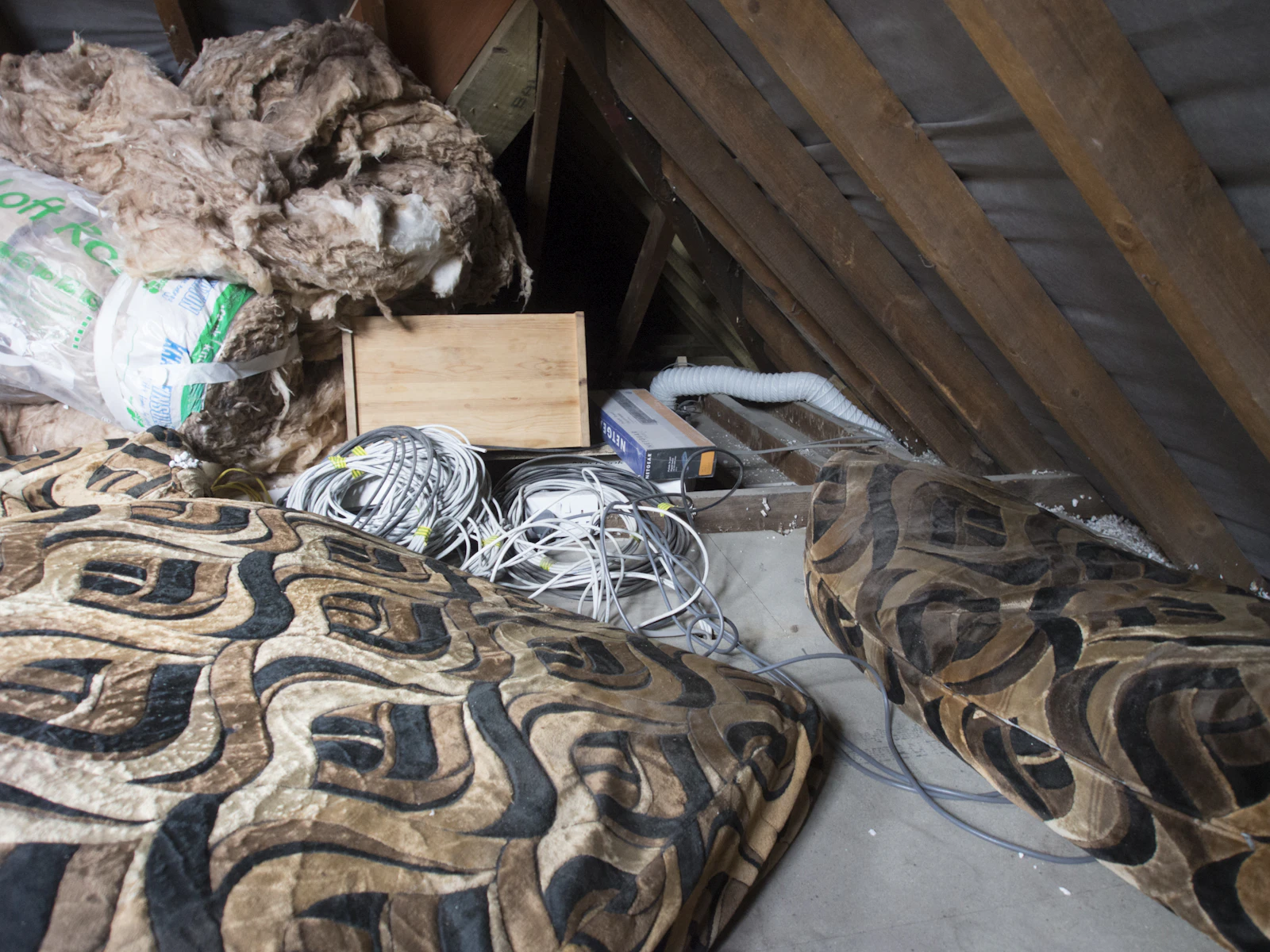
The most common job
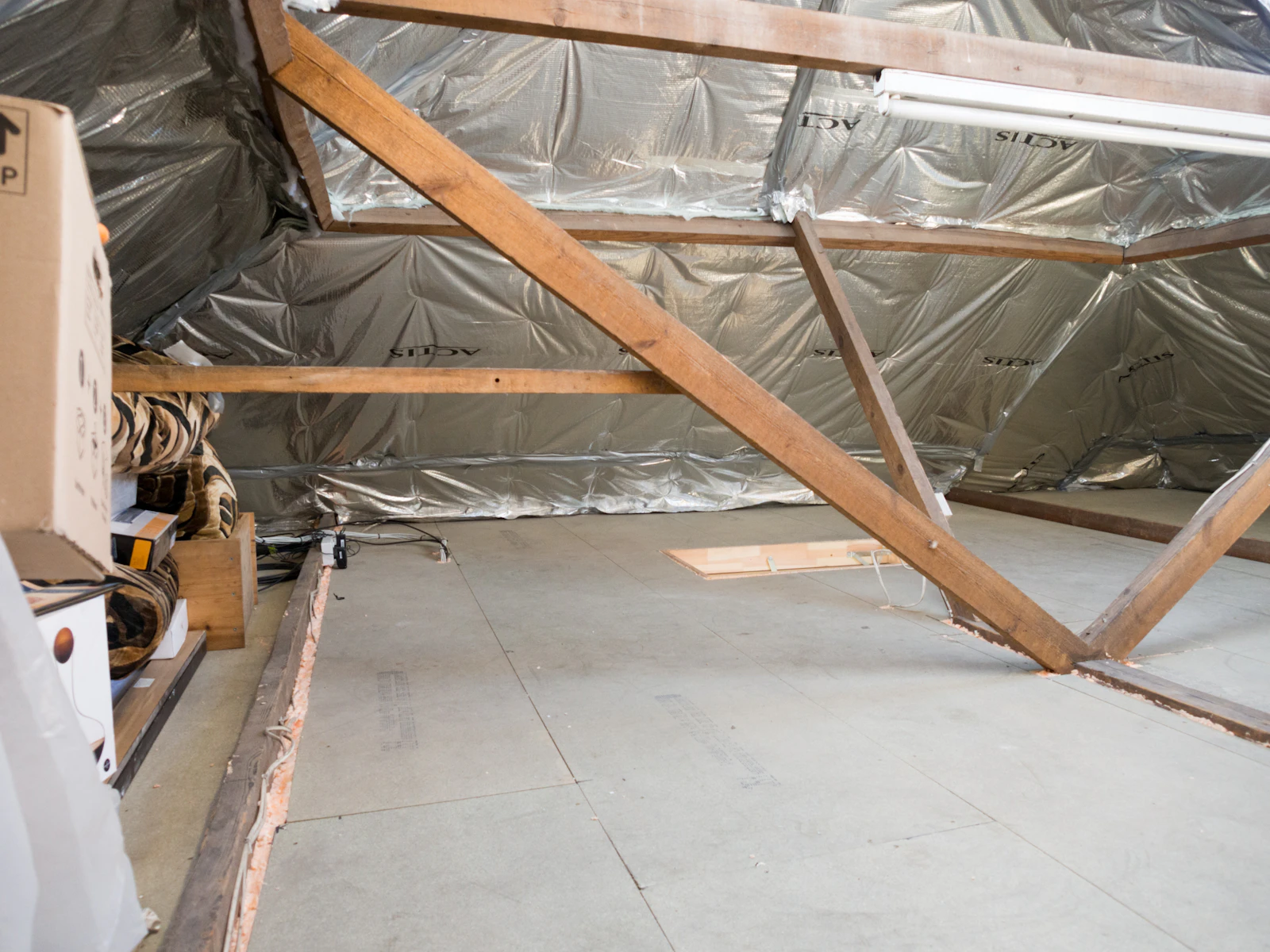
Open, accessible attic floors are the most DIY-friendly space, and where most homes gain the most for the least cost - ENERGY STAR calls the attic often the single largest opportunity to save.
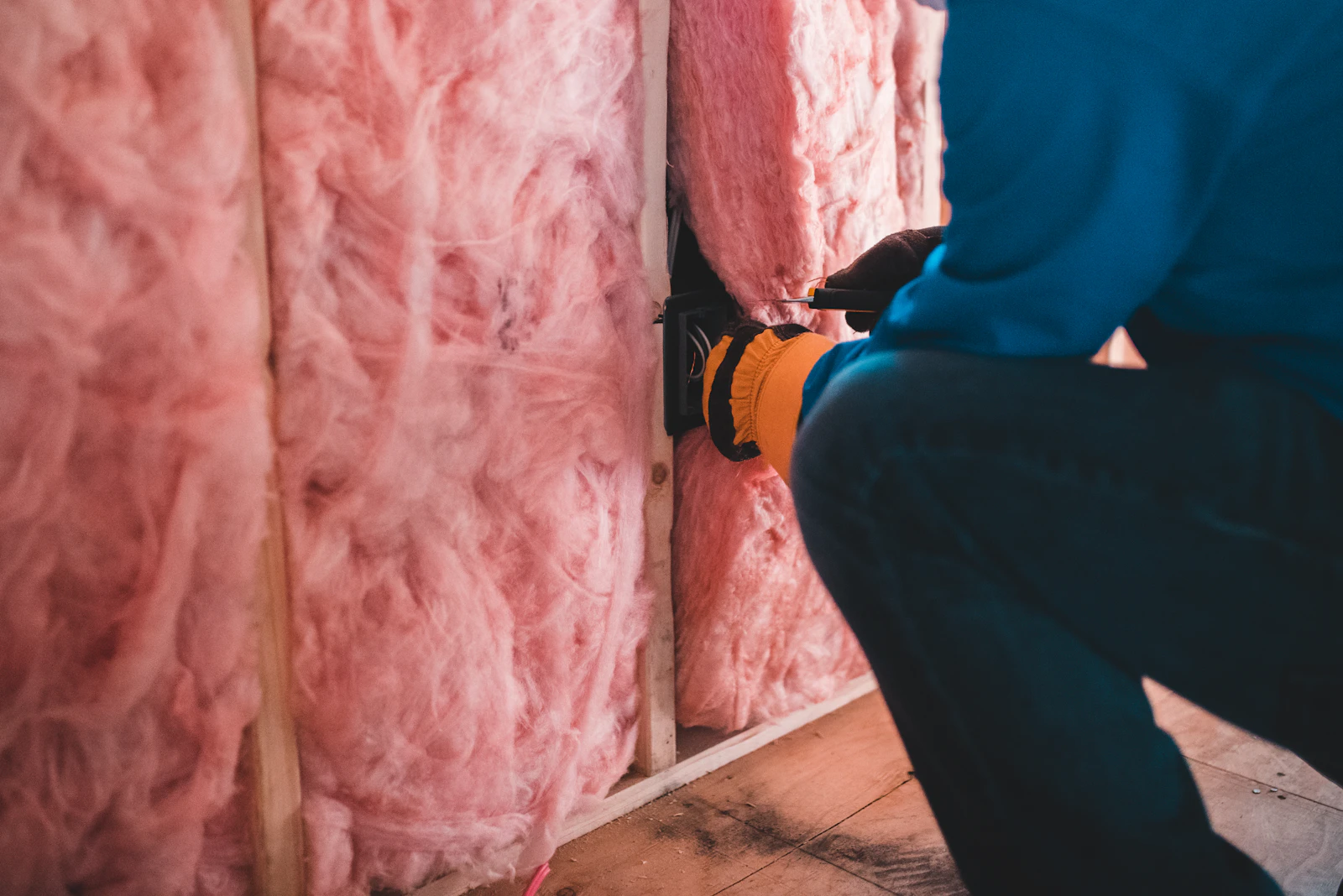
Usually a pro job
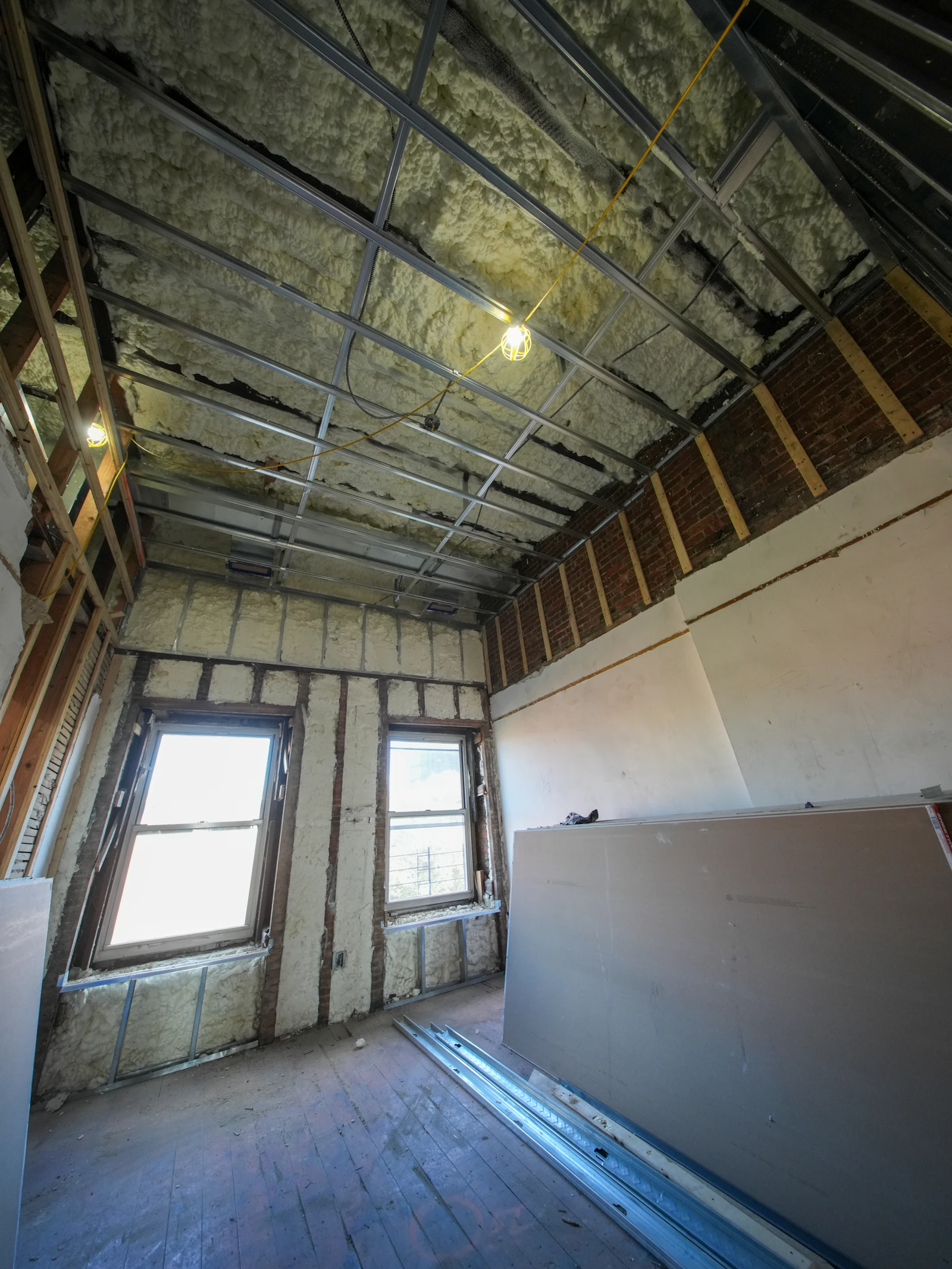
Finished wall cavities, rooflines and rim joists need pneumatic equipment or spray foam and real know-how - the Department of Energy calls blown-in the most economical way to fill a closed wall cavity.
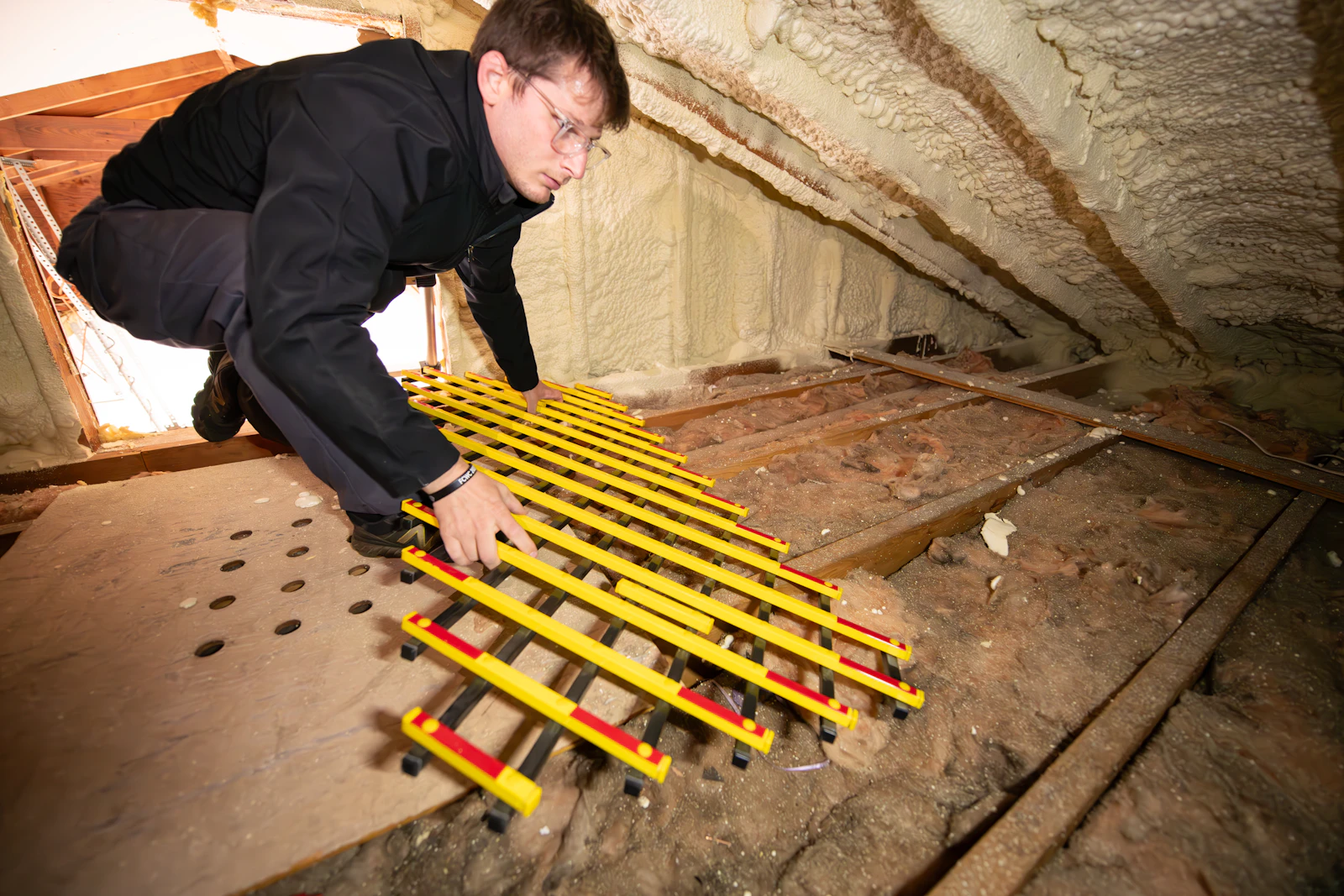
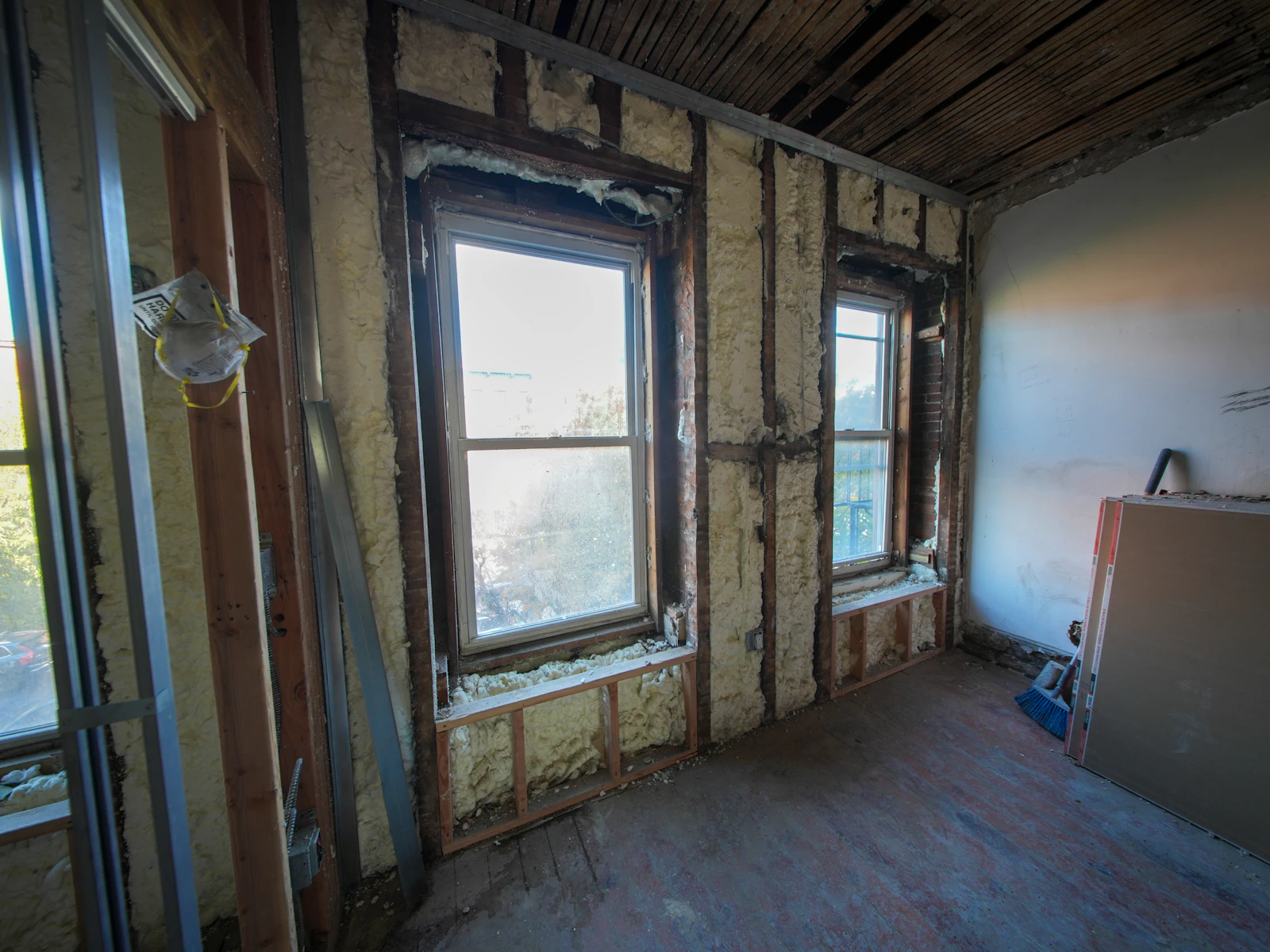
The areas that decide your R-value
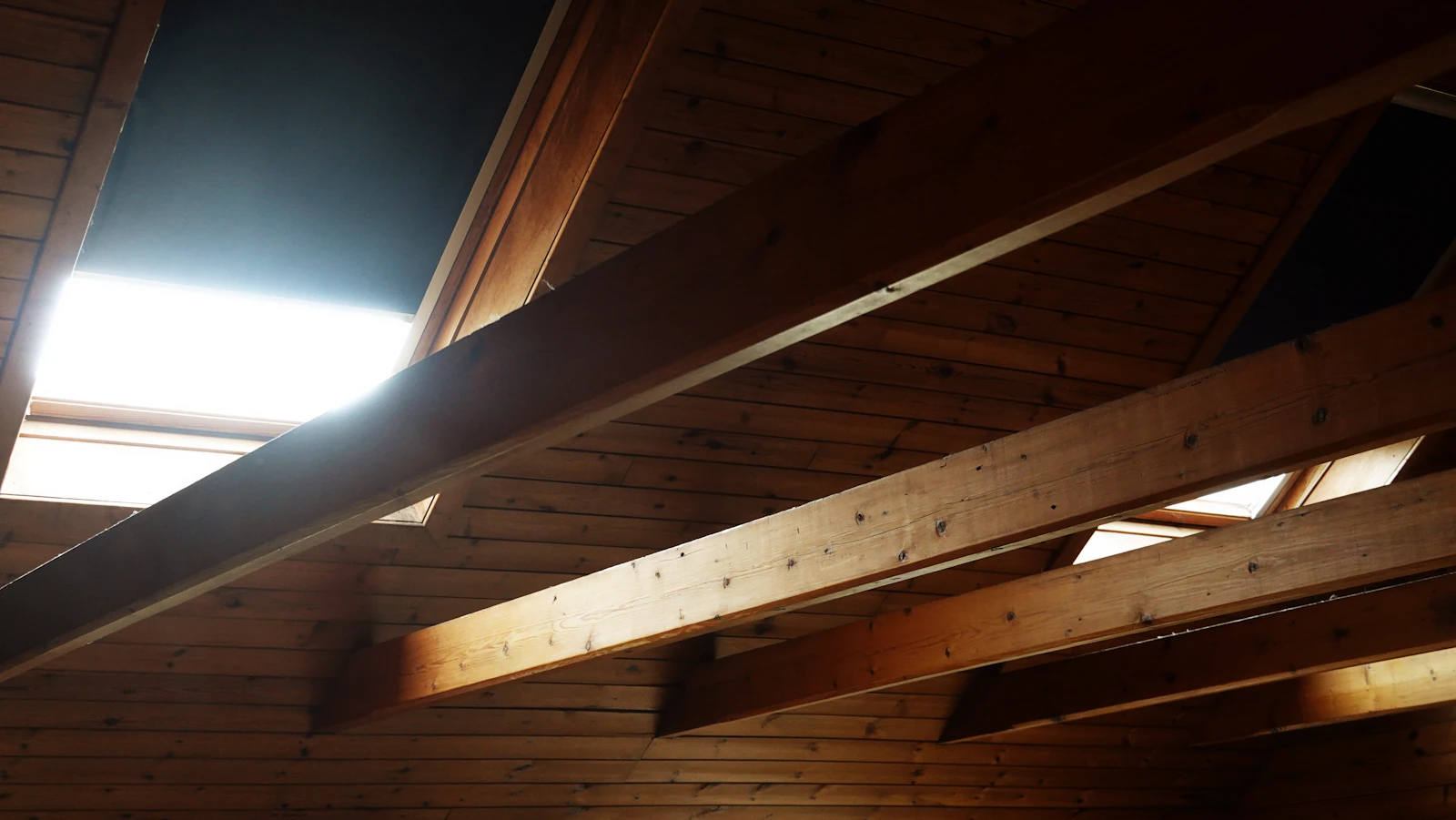
Most of a home’s insulation job comes down to a short list of spaces - what each one needs differs by access and how it is built.

What this site will and will not do
We explain the R-value target and the real cost drivers first, and we do not sell you the installation - which is why we can say plainly when topping up beats a full replacement.
R-value before a quote
ENERGY STAR recommends R-30 to R-60 depending on your climate zone. Knowing your target before you call means you can hold every bid to the same number.
Air sealing first, always
The Department of Energy is explicit that insulation slows heat flow but does not stop air leaks - sealing gaps first is what makes the insulation you pay for actually perform.
We are not the installer
We do not install anything ourselves, so we have nothing to gain from steering you toward the bigger job. Licensed local companies do the work and quote it themselves.
Nothing we cannot source
Every figure on this site traces to a named, dated source - HomeAdvisor, the DOE, ENERGY STAR, the EPA or the FTC. Where we have not sourced a number, we say so instead of guessing.
Attic insulation, state by state
R-value targets and install methods work the same everywhere. Pick your state for a page matched to where you are.
Frequently asked
The questions people actually type before calling a company.
How much does attic insulation cost?
Most homeowners pay about $1,700 to $2,500 installed, roughly $1 to $3 per square foot, with a national average near $2,100 (HomeAdvisor, 2026). Blown-in fiberglass is the least expensive material; spray foam runs highest.
What R-value should my attic be?
ENERGY STAR recommends R-30 in the warmest US climate zone up to R-60 in the coldest, based on the 2021 IECC. If you already have three to four inches of insulation, the topping-up target drops to roughly R-25 to R-49.
Should I air seal before adding insulation?
Yes. The Department of Energy is explicit that insulation slows heat flow but does not stop air leaks, so sealing gaps around wiring, plumbing and light fixtures first is what lets new insulation perform at its rated value.
Is attic insulation a DIY job?
Often, on an open and accessible attic floor - home-improvement stores commonly rent the pneumatic blower for about $100 to $200 a day. Hire a professional for finished walls, rooflines, insulation removal, or any sign of moisture, mold or older wiring.