

Why air seal before you insulate?
The Department of Energy advises air sealing all attic-floor penetrations before you insulate, because loose-fill doesn't stop air moving through gaps around wiring, pipes, and light fixtures. Insulation and air sealing do different jobs: insulation slows heat flow, while sealing stops the air leaks that insulation alone can't block. According to DOE, reducing drafts this way can save roughly 5% to 30% of annual energy use.
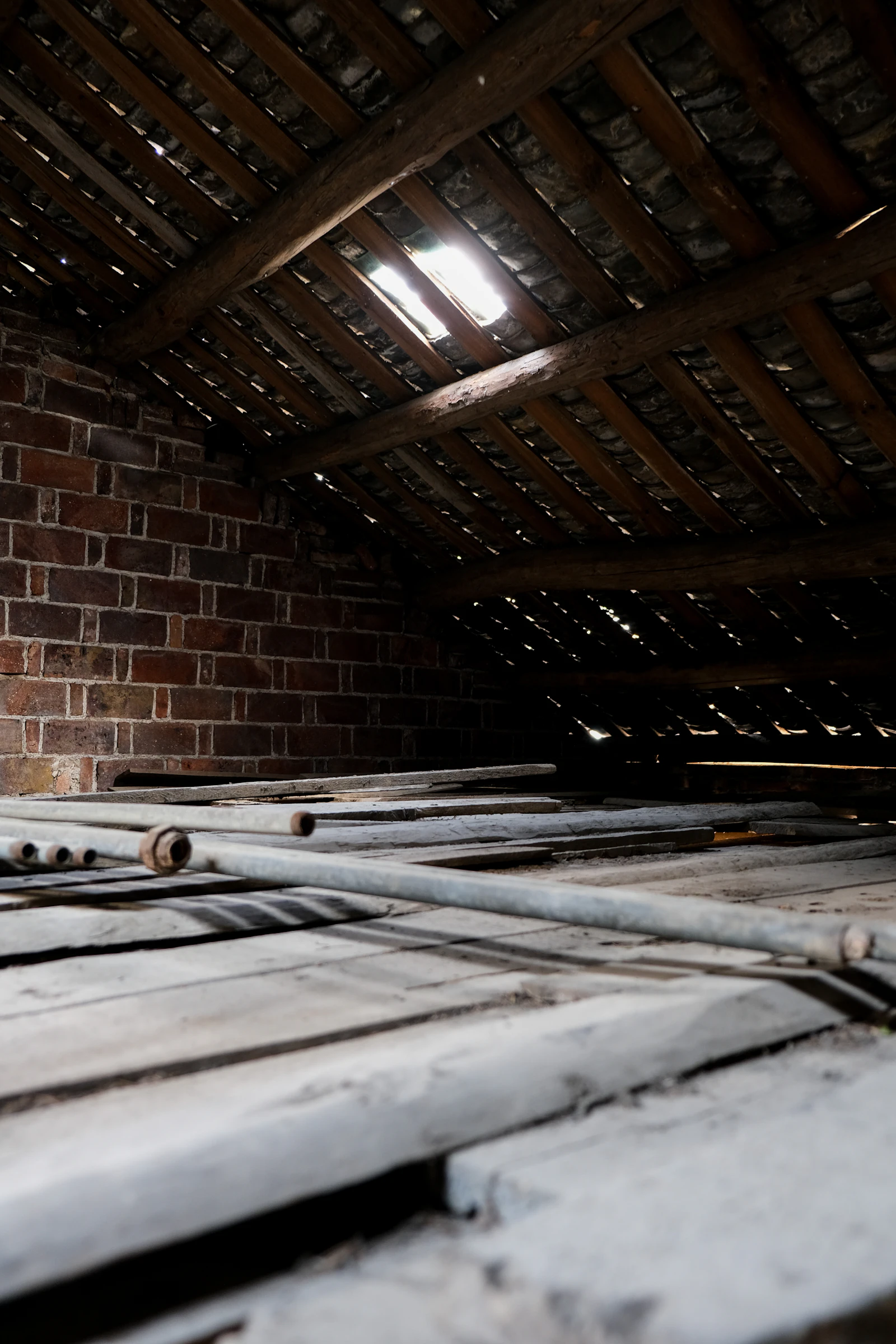
What gets sealed, and what does it protect against?
Gaps around wiring, plumbing penetrations, the attic hatch, and light fixtures are the common leak points. Sealing them also helps prevent attic moisture problems and reduces the stack effect that draws soil gases like radon indoors (DOE). One caution: tightening the attic can trap indoor air pollutants such as carbon monoxide, radon, and VOCs, so homes with combustion appliances may need added ventilation (ENERGY STAR).
Sources
3 cited- Air sealing before insulating, and the DIY-vs-professional split on who typically does it: U.S. Department of Energy, Building Science Education, Air Sealing Existing Attics (checked 2026-08-19).
- 5-30% energy savings from air sealing: ENERGY STAR, Why Seal and Insulate? (checked 2026-08-19).
- Ventilation caution for homes with combustion appliances: ENERGY STAR, Attic Air Sealing Project (checked 2026-08-19).