
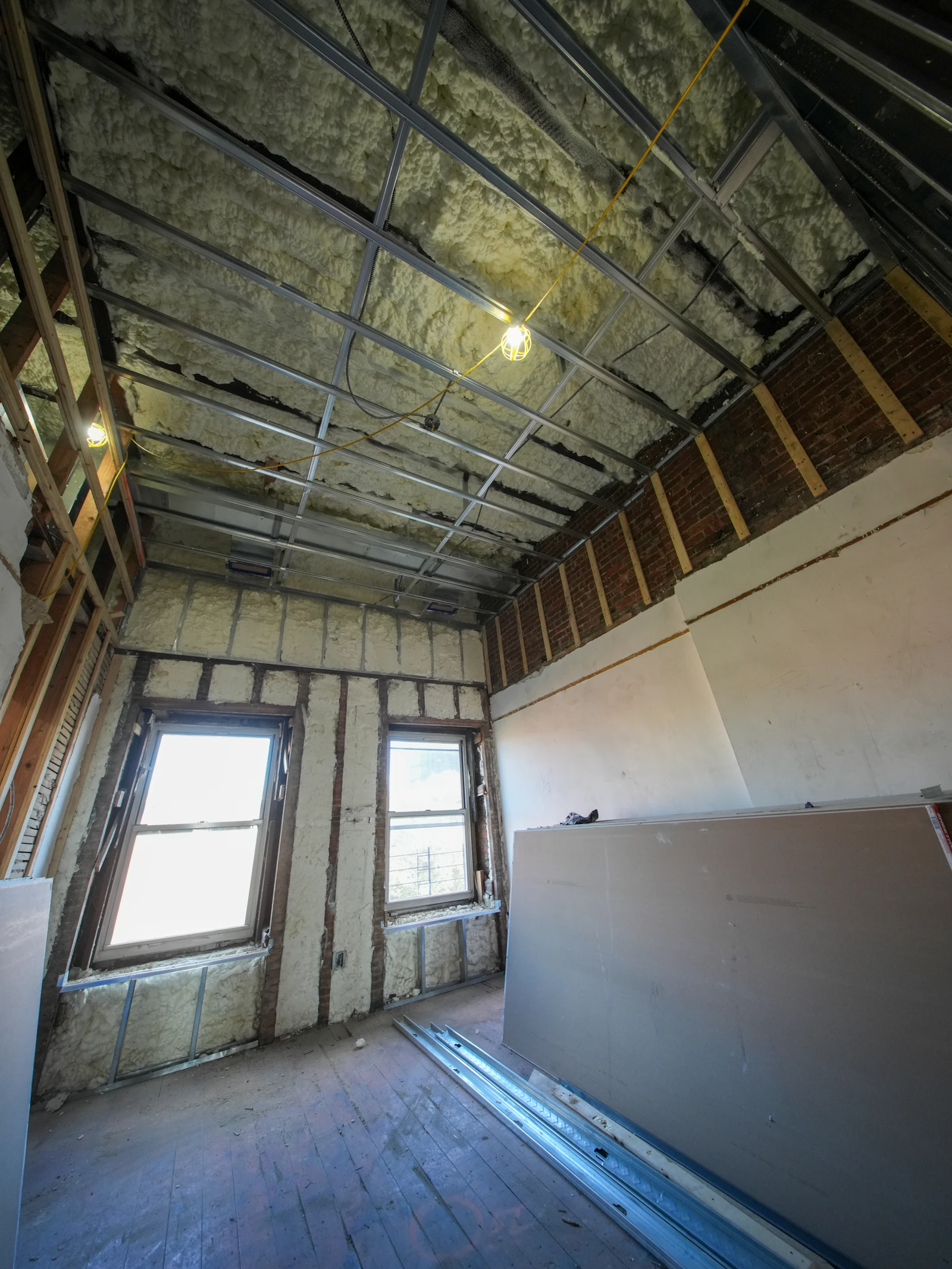
What is blown-in insulation made of?
Blown-in insulation is loose-fill material - most often cellulose or fiberglass, though mineral wool is also used. Installers feed it through a hopper and hose, blowing it into place rather than cutting and fitting rolls. That lets it settle around joists, wiring, and awkward corners where rigid batts tend to leave gaps.
- CelluloseMade mostly from recycled newsprint, treated for fire resistance; R-3.2-R-3.8 per inch
- FiberglassSpun glass fiber; R-2.2-R-2.7 per inch; settles very little
- Mineral woolRock or slag wool; strong fire and moisture resistance; less common
- Where it's usedVented attic floors, applied to the top plate with baffles at the eaves
- How it's installedFed through a hopper and pneumatic hose by trained crews
- Why atticsDOE notes loose-fill suits irregular areas and obstructions - the norm in existing attics
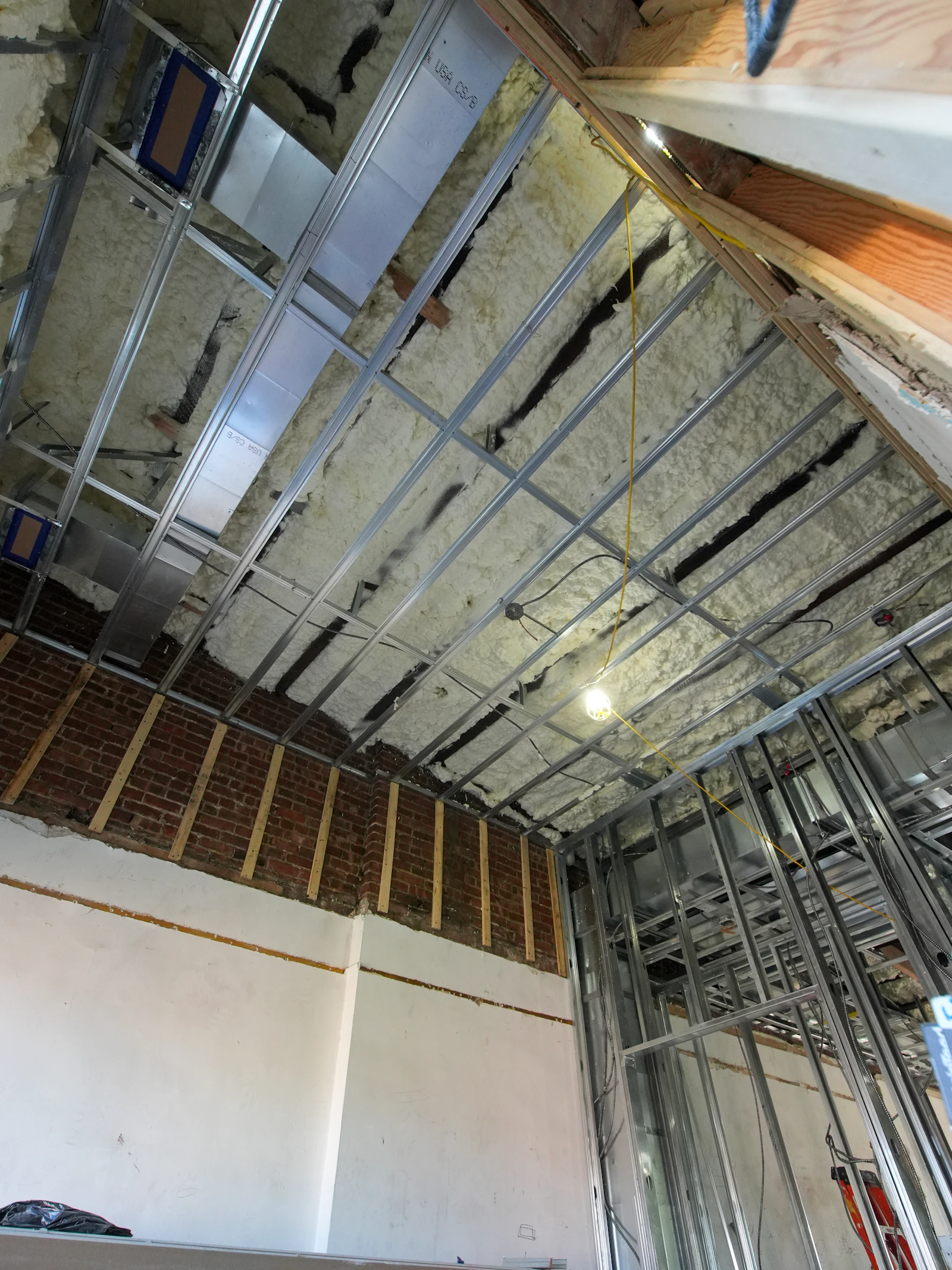
How much attic insulation do I need? (R-value by climate zone)
It depends on your climate zone. R-value measures how well insulation resists heat flow - higher is better. For an uninsulated attic, ENERGY STAR recommends R30 in the warmest US zone up to R60 in the coldest, following the 2021 International Energy Conservation Code.
| Climate zone | Uninsulated attic | Attic with existing 3-4 inches |
|---|---|---|
| Zone 1 (warmest) | R30 | R25 |
| Zone 2 | R49 | R38 |
| Zone 3 | R49 | R38 |
| Zone 4 (A and B) | R60 | R49 |
| Zones 4C, 5, and 6 | R60 | R49 |
| Zones 7 and 8 (coldest) | R60 | R49 |
Should you air seal the attic before adding insulation?
Yes - seal first. The Department of Energy advises air sealing all attic-floor penetrations before you insulate, because loose-fill doesn't stop air moving through gaps around wiring, pipes, and light fixtures. Sealing those leaks saves energy, helps prevent attic moisture problems, and reduces the stack effect that draws soil gases like radon indoors.
According to DOE, reducing drafts this way can save roughly 5% to 30% of annual energy use. Insulation and air sealing do different jobs: insulation slows heat flow, while sealing stops the air leaks that insulation alone can't block. See our [attic air sealing](/guides/attic-air-sealing/) guide for the how-to.
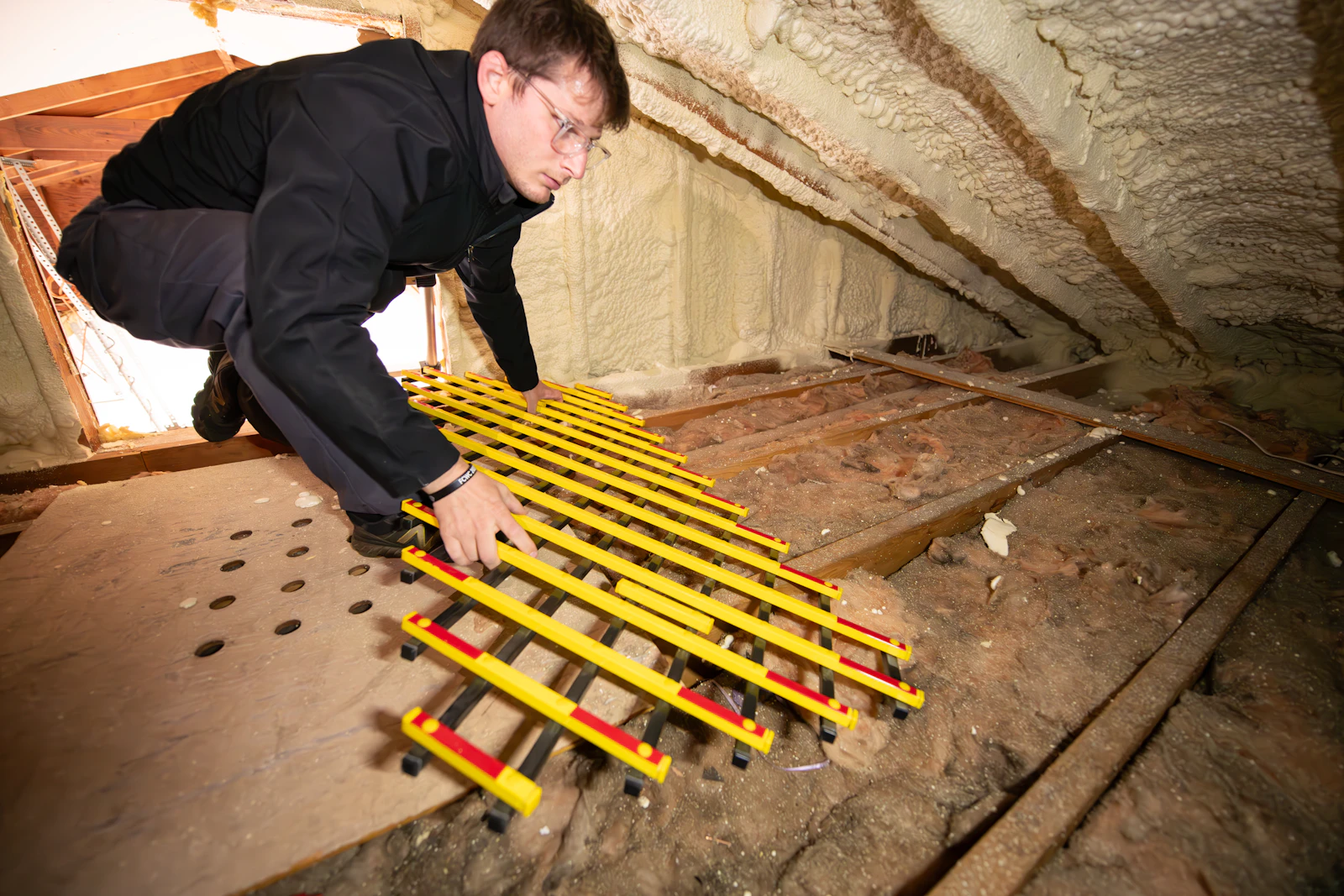
How much can attic insulation and air sealing save?
The EPA estimates homeowners save an average of 15% on heating and cooling costs - about 11% of total energy costs - by air sealing and adding insulation in attics, crawl space floors, and basements. ENERGY STAR also reports that 9 out of 10 US homes are under-insulated, so many attics have real room to improve. Those figures come from EPA/ENERGY STAR energy modeling, not a sales pitch, and actual savings vary with your climate, existing insulation, and how leaky the house is.
Is blown-in or batt insulation better for an attic?
Neither is universally better; they suit different attics. The Department of Energy lists both blown-in (loose-fill) and batts as options for ceilings and roofs. Blown-in shines in existing or irregular attics because it flows around obstructions and fills uneven spaces; batts work well in open attics with standard, evenly spaced joists and clear access. For a step-by-step of the install itself, see [how blown-in insulation is done](/guides/attic-air-sealing/).
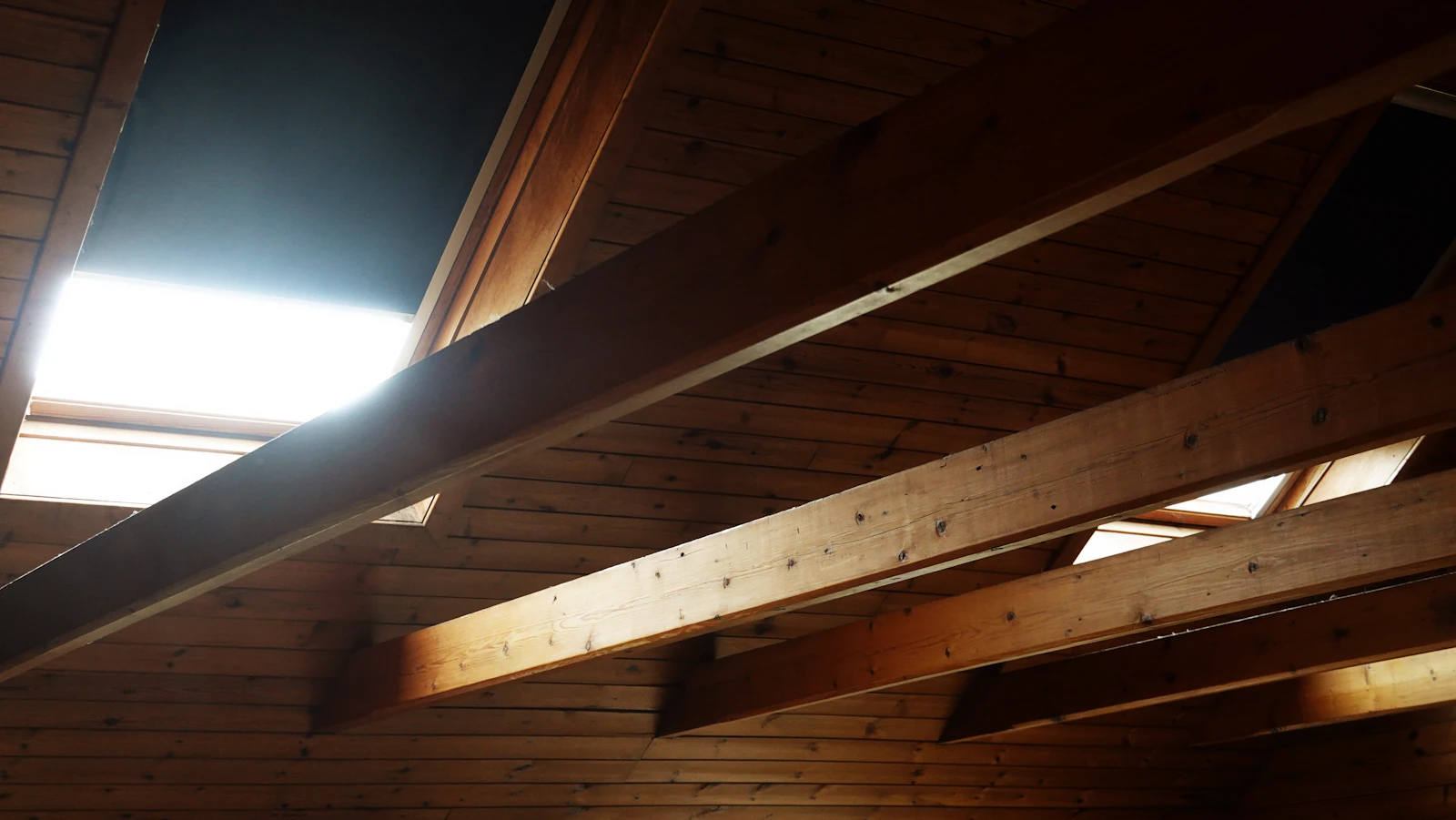
Can you blow insulation over existing attic insulation?
Often, yes. If the existing insulation is dry and in good shape, you can usually add blown-in on top - ENERGY STAR's guidance assumes exactly that, recommending R25-R49 of added insulation over an attic that already has three to four inches. Air seal first, and add baffles so insulation doesn't block soffit vents or spill into the eaves.
If the old insulation is wet, moldy, or damaged, removal may come first. Some older materials, such as vermiculite, need testing before anyone disturbs them - see [asbestos and vermiculite insulation removal](/guides/asbestos-insulation-removal/).
Related questions
- How deep does blown-in insulation need to be for its rated R-value?
- Blown-in cellulose vs fiberglass: which settles less?
- How do you air seal an attic before insulating?
- When is attic insulation removal worth it?
- What should you know about asbestos or vermiculite insulation?
- How much insulation do I actually need?
Sources
4 cited- Recommended attic R-values by climate zone, based on 2021 IECC Table R402.1.3: ENERGY STAR, Recommended Home Insulation R-Values (checked 2026-08-19).
- Air sealing before insulating, and 5-30% energy-use savings from sealing drafts: ENERGY STAR, Why Seal and Insulate?; U.S. Department of Energy, Building Science Education, Air Sealing Existing Attics (checked 2026-08-19).
- 15% average heating/cooling savings from sealing plus insulating: ENERGY STAR, Methodology for Estimated Energy Savings (checked 2026-08-19).
- Blown-in insulation material and installation basics: U.S. Department of Energy, Building Science Education, Blown Insulation in Existing Attics; DOE Energy Saver, Types of Insulation (checked 2026-08-19).