
Blown-in cellulose vs fiberglass: which insulates better?
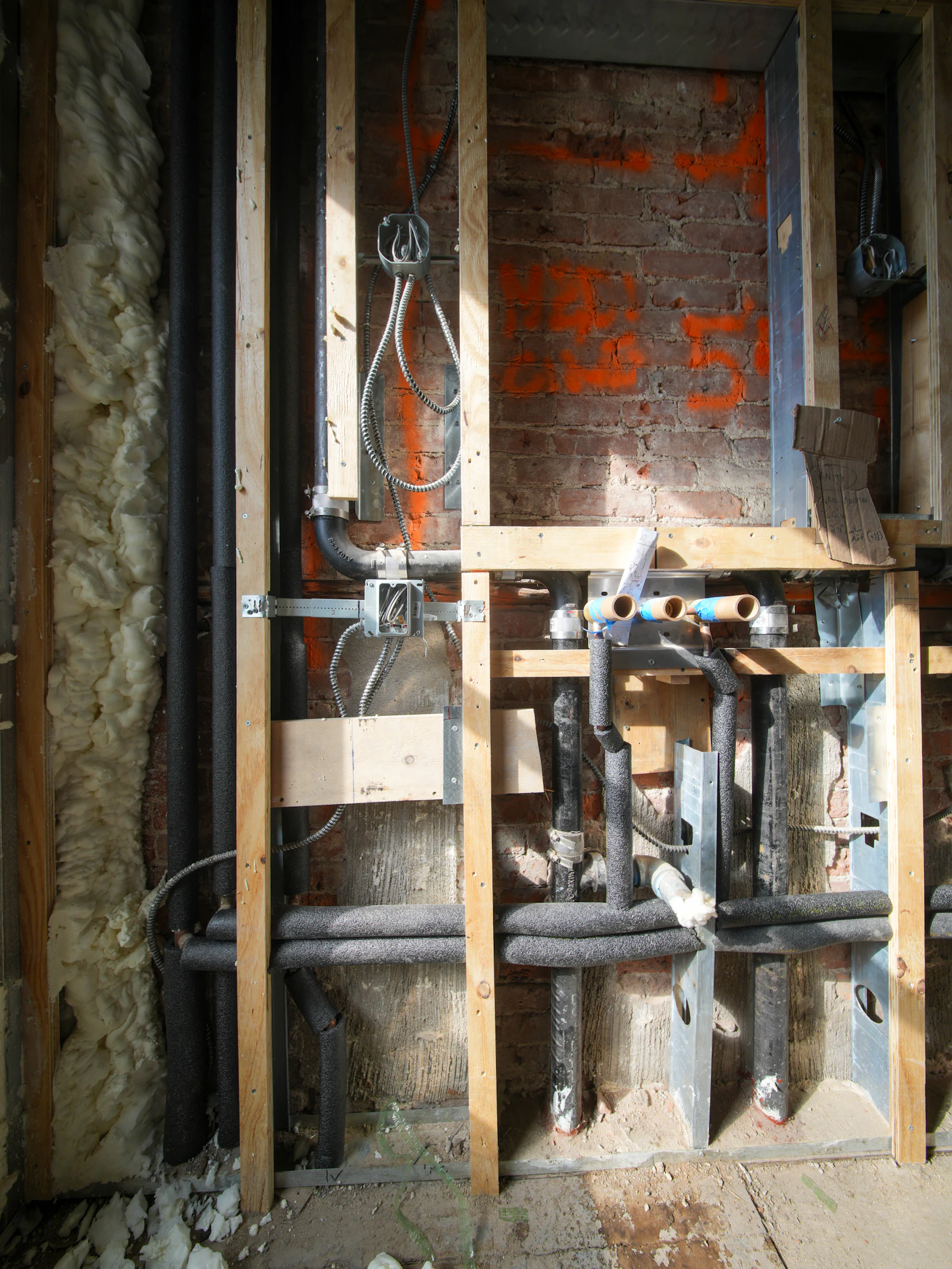
Per inch, cellulose wins on paper. The U.S. Department of Energy lists loose-fill cellulose at about R-3.2 to R-3.8 per inch and loose-fill fiberglass at R-2.2 to R-2.7 - so cellulose reaches a target R-value in less depth. Fiberglass is lighter, resists moisture better, and settles less, which is why "better" depends on your priorities rather than the spec sheet alone.
How do settling, moisture and cost compare?
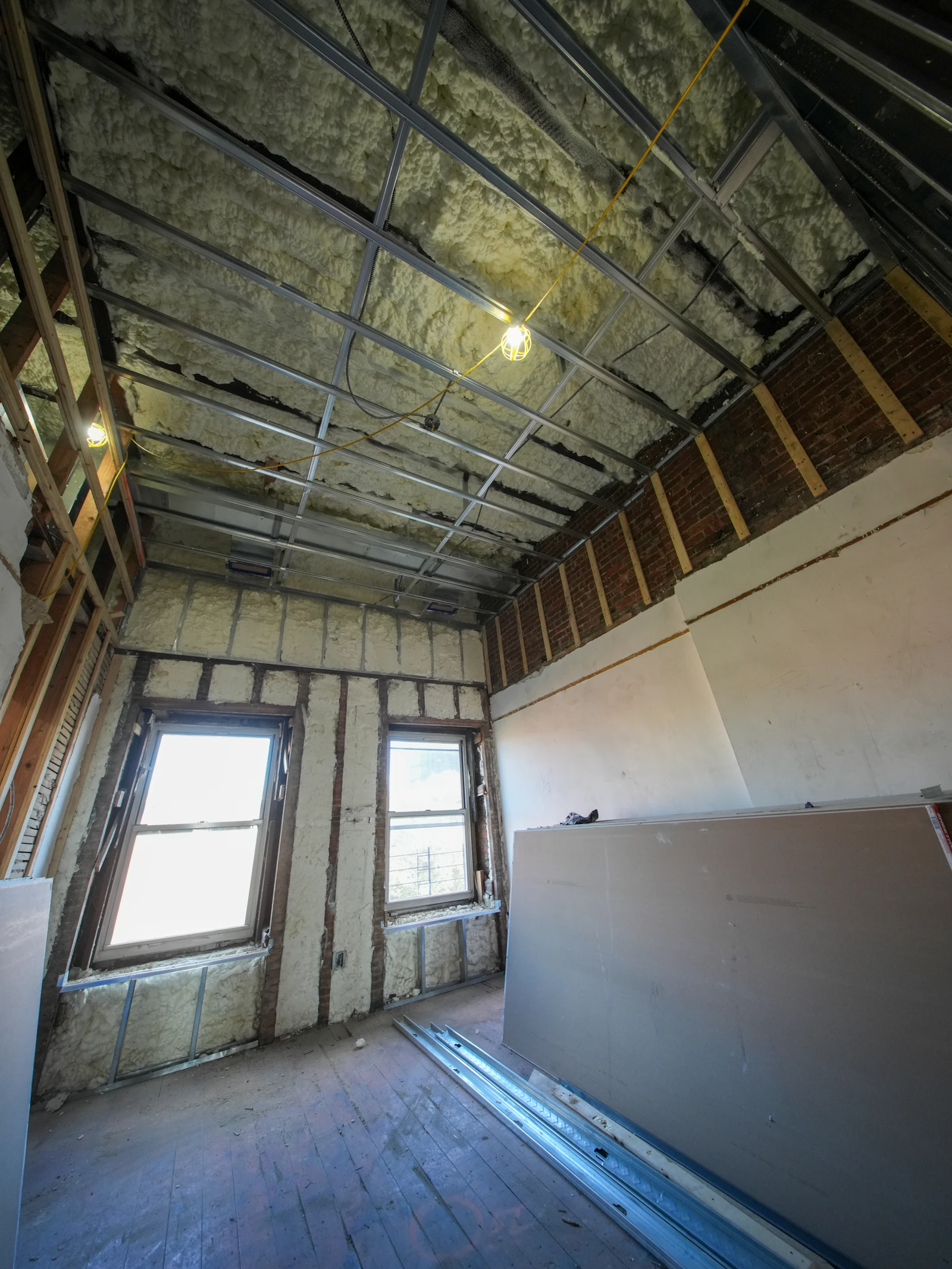
Cellulose settles about 13% after installation, so installers blow it in deeper than the target depth (GreenBuildingAdvisor). Fiberglass settles very little, so its installed depth stays close to rated. On price the two are close: fiberglass runs $0.50 to $1.10 per square foot and cellulose $0.60 to $1.80, up to $2.30 for dense-pack (HomeAdvisor, 2025). Cellulose is made mostly from recycled paper treated for fire resistance; fiberglass is spun glass and handles moisture better since it will not absorb and hold water the way paper-based cellulose can.
Sources
3 cited- R-value per inch for both materials: U.S. Department of Energy, Building America Solution Center, Loose-Fill Insulation (checked 2026-08-19).
- Cellulose settling behavior: GreenBuildingAdvisor, Blown-in cellulose (settling) (checked 2026-08-19).
- Cost per square foot for both materials: HomeAdvisor, Cost to Install Blown-In Insulation, 2025 (checked 2026-08-19).